SS-31 – 50mg
$159.97
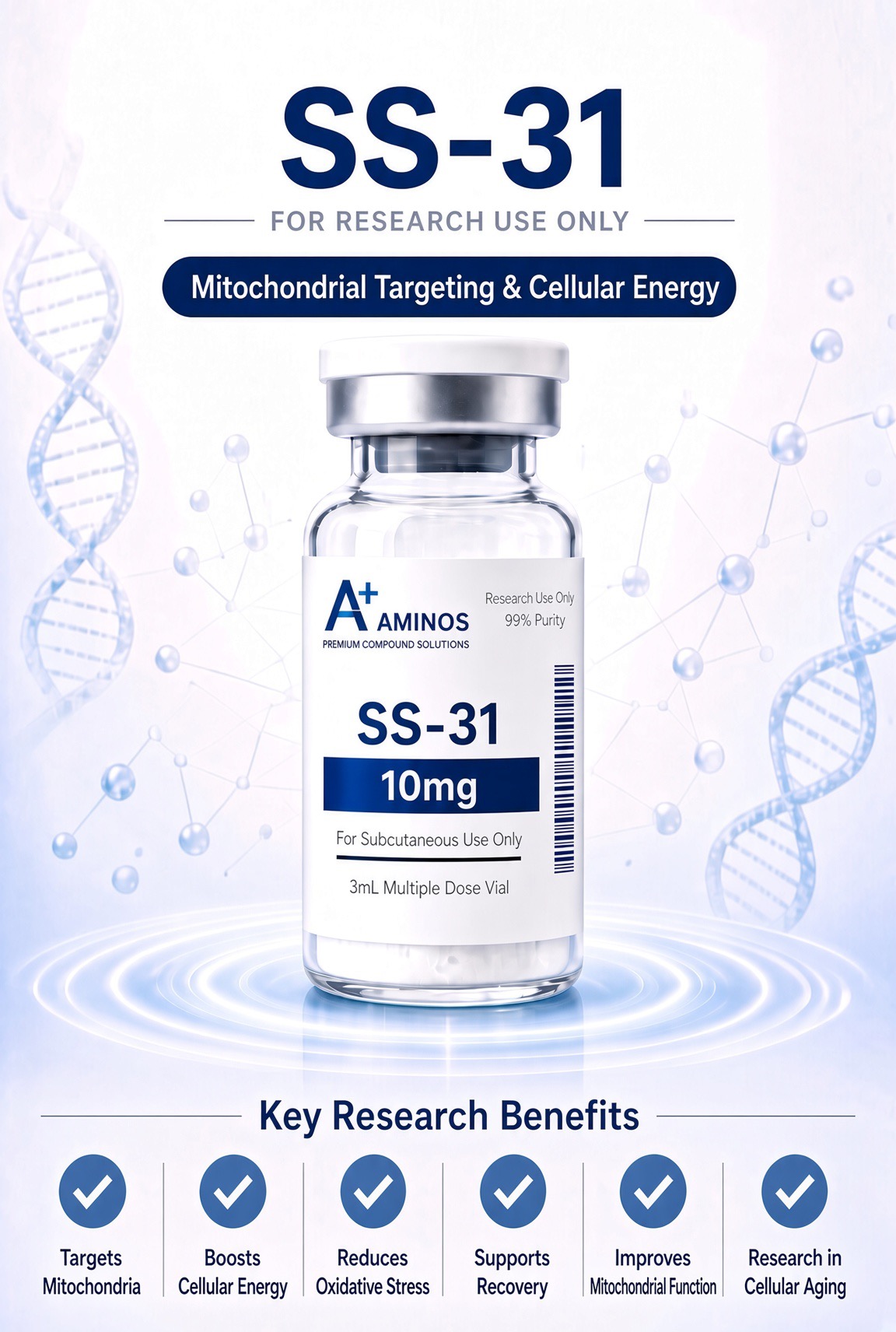
SS-31
(also widely known in scientific literature as Elamipretide, Bendavia, or MTP-131) is a synthetic, cell-permeable, aromatic-cationic tetrapeptide engineered to selectively target the inner mitochondrial membrane. Carrying a net 3+ charge at physiological pH, its unique chemical structure allows it to penetrate cellular bilayers effortlessly and accumulate up to 5,000-fold within mitochondria without relying on membrane potential. Unlike traditional scavengers, SS-31 functions as a structural repair mechanic by directly binding to cardiolipin—a critical, negatively charged phospholipid unique to the inner mitochondrial membrane. It serves as a cornerstone compound in cellular bioenergetics research to study the restoration of mitochondrial architecture and the mitigation of severe oxidative stress. [1, 2, 3, 4, 5, 6]
Key Features & Characteristics
- Mechanism of Action: Binds with high affinity to cardiolipin, stabilizing its microenvironment and forming a protective biophysical shield against lipid peroxidation. [1, 2]
- Bioenergetic Upregulation: Seals electron leaks along the electron transport chain, optimizing electron flux and accelerating adenosine triphosphate (ATP) production. [1, 2]
- Structural Optimization: Prevents mitochondrial swelling and preserves the integrity of the inner cristae membrane structure under severe divalent cation (calcium) stress. [1, 2, 3]
- Physical Form: Synthesized to strict chemical parameters and supplied as an ultra-pure, water-soluble white lyophilized powder requiring precise laboratory reconstitution. [1, 2]
Primary Research Applications
- Ischemia-Reperfusion Injury: Heavily investigated in cardiovascular and renal models to evaluate its capacity to reduce myocardial infarct size, limit reperfusion arrhythmias, and protect podocytes from oxygen-deprivation injuries.
- Neurodegenerative Diseases: Studied in neurological assays to observe the down-regulation of lipopolysaccharide-induced inflammatory cytokines (such as TNF-α) and the reduction of neuronal mitochondrial ROS accumulation.
- Age-Related Cellular Decline: Evaluated in gerontological models to track the reversal of age-dependent mitochondrial morphology abnormalities, glomerular sclerosis, and skeletal muscle tissue wasting. [, 2, 3, 4]
For Research Use Only. Not for human consumption, therapeutic, or diagnostic use.
99 in stock


Reviews
There are no reviews yet.